45 total fat on nutrition labels
Understanding Nutrition Fact Labels | Penn Highlands Healthcare The nutrients you want more of include: dietary fiber, vitamin D, calcium, iron, and potassium. Unlike saturated fat, sodium, and sugar, Americans generally do not consume enough of these nutrients. Fiber can decrease constipation, lower blood glucose levels and cholesterol levels, while also reducing your caloric intake. How to Decode a Food Nutrition Label | Crush Magazine Online The total fat reading on the food nutrition label is especially important information if you need to be mindful of your cholesterol levels. Of which saturated fat: this is the 'bad' kind of fat, so try and avoid foods that contain over 3 g of saturated fat per 100 g.
Nutrient and Calorie Rounding Table | How To Read Nutrition Labels Nutrient and Calorie Rounding Table | How To Read Nutrition Labels Nutrient and Calorie Rounding Table Shown below are the guidelines used to round off calorie and nutrient amounts: 1/2 Teaspoon in Your Smoothie Burns Fat 728% Faster

Total fat on nutrition labels
What's New with the Nutrition Facts Label | FDA Use the label to support your personal dietary needs—choose foods that contain more of the nutrients you want to get more of and less of nutrients you may want to limit. More often, choose foods... How To Read A Food Nutrition Label | Gobble For example, the USDA recommends that most people get 1,000 mg of calcium per day. So, if a serving of food contains 100 mg of calcium, this means the serving contains 10% Daily Value of calcium. The same applies to items on the food label you may want to avoid, like fat and cholesterol. For example, 15 grams is 20% Daily Value for total fat. Calories on the New Nutrition Facts Label | FDA For example, if you ate one serving of the food shown on the label below, you would be eating 220 calories. And two servings would be 440 calories. The terms "fat-free" and "no added sugars" do not...
Total fat on nutrition labels. This Is How to Read a Nutrition Facts Label on the Keto Diet This act mandated that, with a few exceptions, all packaged foods needed nutrition labels — thus creating the black-and-white labels we see on packaged foods today. The nutrients that required labeling included: Calories Calories from fat Total fat Saturated fat Cholesterol Sodium Total Carbohydrate Dietary fiber Sugars Protein Vitamin A Vitamin C View and Edit Your Nutrition Facts Label - ESHA Research As such, you can use the simplified format if eight or more of the following nutrients are present in insignificant amounts: Calories, total fat, saturated fat, trans fat, cholesterol, sodium, total carbohydrate, dietary fiber, total sugars, added sugars, protein, vitamin D, calcium, iron, and potassium. What To Look For On Nutrition Labels & Why It Matters Next is to look at the amount of carbs and fat. Both these products have 2 grams of carbs which isn't anything crazy in the grand scheme of things, but our vegan option has 3 grams of fat as compared to our whey isolate with zero. While this isn't the end of the world, it is something to consider and knowing where to find this is important. How To Read Food and Beverage Labels - National Institute on Aging These foods have a legal limit to how many calories, grams of fat, or carbohydrates (carbs) they can contain per serving. However, if a serving size is very small, you may end up eating multiple servings in one sitting, ultimately consuming the same amount of fat, calories, and carbs as the regular version of the food. Multigrain.
Nutrition labels: Finding out about the food you eat - AboutKidsHealth All information on the nutrition label is based on a specific amount of food called the serving size. When you compare products, ensure that the serving sizes are the same. When comparing foods, use percent daily values (% DV) to find out if a food has a little or a lot of a nutrient. Choose foods with lower amounts of total fat, saturated fat ... How to decode food labels to boost your nutrition - Scrubbing In Total Fat The total fat value includes monounsaturated, polyunsaturated, saturated and trans-fat. Dietary fat has more than twice the calories per gram as either carbohydrate or protein, so calories from fat can add up quickly. Aim for around 25% to 35% of calories from fat. Applying Nutrition Label Facts To Your Daily Diet Nutrients include fat content (total, saturated, and trans), cholesterol, sodium, carbohydrates (fiber and sugars), protein, vitamins, calcium, and iron. It is vital to understand whether each of these is good for your health or should be avoided. We'll go into that below. % Daily Value (%DV) is based on a daily diet of 2,000 calories. Serving Size on the New Nutrition Facts Label | FDA The serving size is shown as a common household measure that is appropriate to the food (such as cup, tablespoon, piece, slice, or jar), followed by the metric amount in grams (g). The nutrition ...
How to Read a Nutrition Label, According to Dietitians - Shape on every nutrition label, you'll find key macro and micronutrients, including total fat (broken down into saturated and trans fats ), cholesterol, sodium, total carbohydrates, dietary fiber, added sugars (which are added during the processing), total sugars (the amount of added sugars plus the sugars that are naturally present in a food) protein, … Nutrition Facts: How to Read Nutrition Labels - Greatist Here are some to look for: Calorie-free: Less than 5 calories per serving. Low calorie: 40 calories or less per serving. Reduced calorie/fat: At least 25 percent less calories/fat than the ... How to Read a Nutrition Label: Common Terms Found on Supplement Facts Fats When you are looking at a nutrition label, you will see total fat, saturated fat, and trans fat. your focus should be on the numbers next to saturated fat and trans fat. Saturated fat... Food Labels Guide & Examples | How to Read Nutrition Labels - Video ... Nutrients typically found on a food label include total fat, saturated fat, trans fat, cholesterol, sodium, total carbohydrates, dietary fiber, total and added sugars, and proteins.
Chocolate Milk | Plains Dairy
Dietitians Say These Are The Biggest Red Flags To Look For On Nutrition ... To get a clear answer on the major red flags to look for on your nutrition labels for the healthiest diet possible, we checked in with Zoë Schroeder, MS, ... "The USDA recommends keeping your added sugar intake to less than 10% of your total calories, but I recommend to reduce it as much as possible," suggests Schroeder. ... 3 Fat-Blasting ...

32 What Is Total Fat On Nutrition Label
The Lows and Highs of Percent Daily Value on the Label Higher in dietary fiber, vitamin D, calcium, iron, and potassium. Lower in saturated fat, sodium, and added sugars. What About Trans Fat, Protein, and Total Sugars? Some nutrients do not have a %DV...
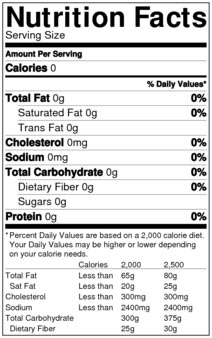
How to Make a Nutrition Facts Label for Free for your Nutrition PowerPoint Templates and ...
How to Understand and Use the Nutrition Facts Label | FDA Nutrients to get less of: Saturated Fat, Sodium, and Added Sugars. Saturated fat, sodium, and added sugars are nutrients listed on the label that may be associated with adverse health effects - and...

How To Read Nutrition Labels - Spokes Nutrition
Figuring Out Food Labels | HealthyPlace Serving Size The nutrition label always lists a serving size, which is an amount of food, such as 1 cup of cereal, two cookies, or five pretzels. The nutrition label tells you how many nutrients are in that amount of food. ... Total Fat The total fat is the number of fat grams contained in one serving of the food. Fat is an important nutrient ...

A Voice 4 Animals: Blue Diamond Almond Milk vs. Cow's Milk : Product Comparison
The Secret to Reading Nutrition Labels - Meghan Telpner The Most Important Part of a Nutrition Label. My most important advice about reading nutrition labels is to ignore the 'Nutrition Facts' panel. All you need to know about a food is in the ingredient list. Turn the package over and find that ingredient list on the side or the back. Are there real foods on there, or is there a cornucopia of ...

Dynamite Force Fat Metabolizer - Total Nutrition TechnologyTotal Nutrition Technology
Nutrition Facts Label - IFT.org - Institute of Food Technologists The first Nutrition Facts Label regulations were published in 1993 and launched in 1994. More than two decades later, in 2016, the U.S. Food and Drug Administration (FDA) released new requirements for the Label to provide recent and accurate nutrition information about foods based on updated scientific data and more recent consumer behavior trends.

8 Changes Required on Nutrition Facts Labels by 2018
How to Understand the Nutrition Facts Label - HealthyBeat Dietary fiber, vitamin D, calcium, iron, and potassium, and other vitamin and mineral percentages should be higher, around 20 percent. Below, we include the FDA's Daily Value recommendation based on a 2,000-calorie diet. Total Fat: Less than 65 grams. Saturated Fat: Less than 20 grams.
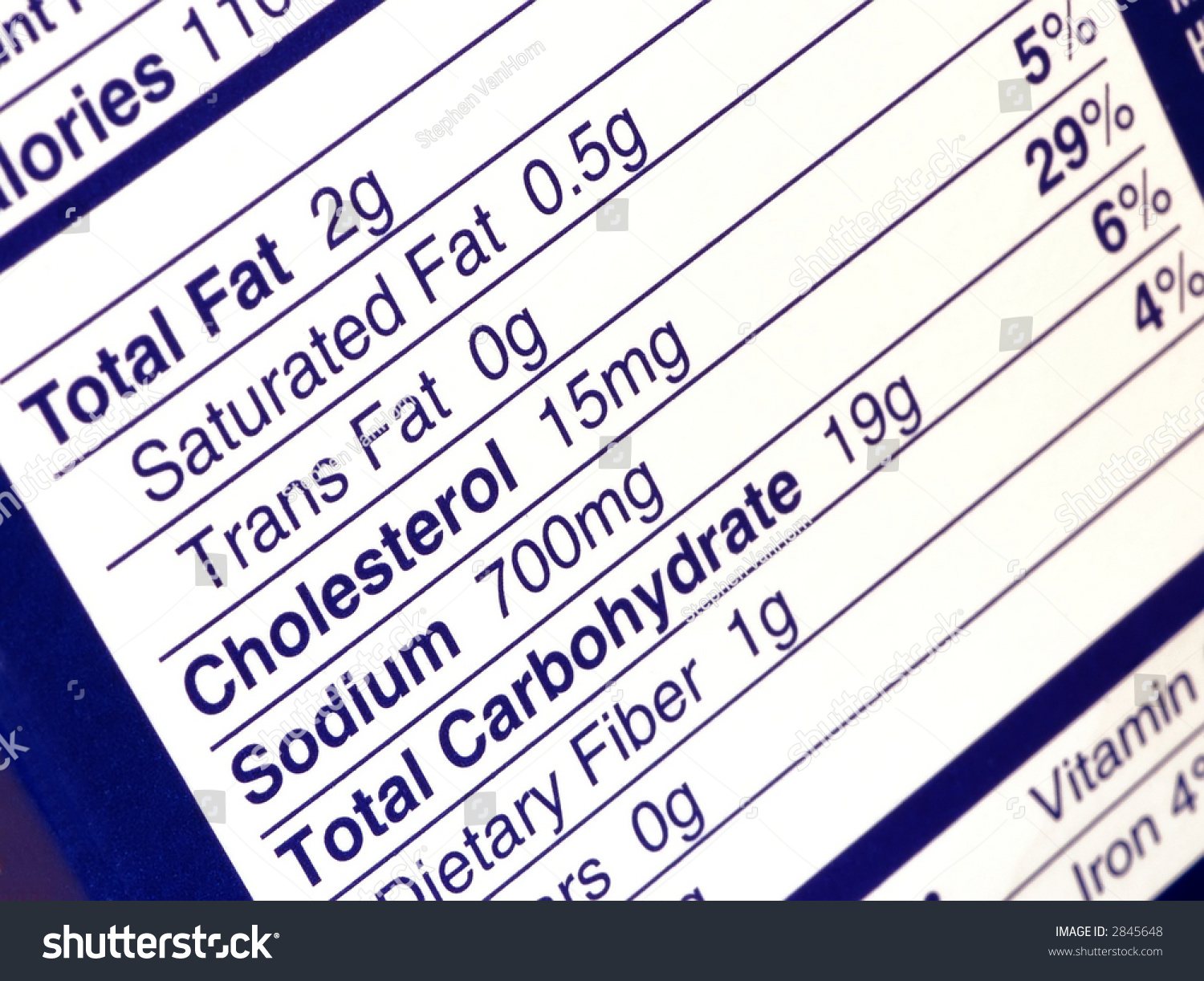
Close Nutritional Label Centered On Fat Stock Photo 2845648 - Shutterstock
The New and Improved Nutrition Facts Label - Renal Support Network Vitamin A and C are no longer required to be on the label because deficiency is deemed rare in the United State. Total Fat, Saturated Fat, and Trans Fat will remain; however, "Calories from fat" has been removed because scientific research has shown that the TYPE of fat is more important than the amount.

How to Read Nutrition Labels - The Health Nerds
Daily Value on the New Nutrition and Supplement Facts Labels For example, the DV for total fat has been updated from 65g to 78g. That means that a packaged food with 36g of total fat in one serving (previously 55% DV) now has 46% DV. See below for a...

33 What Is Total Fat On Nutrition Label - Label Design Ideas 2020
The Basics of the Nutrition Facts Label - Academy of Nutrition and ... A food item with a 5% DV of fat provides 5% of the total fat that a person who needs 2,000 calories a day should eat. You may need more or less than 2,000 calories per day. This means that you may need more or less than 100% DV that is listed on the package for some nutrients. Low is 5% or less.

How to Easily Read Nutrition Facts Labels | Underscore_
Calories on the New Nutrition Facts Label | FDA For example, if you ate one serving of the food shown on the label below, you would be eating 220 calories. And two servings would be 440 calories. The terms "fat-free" and "no added sugars" do not...
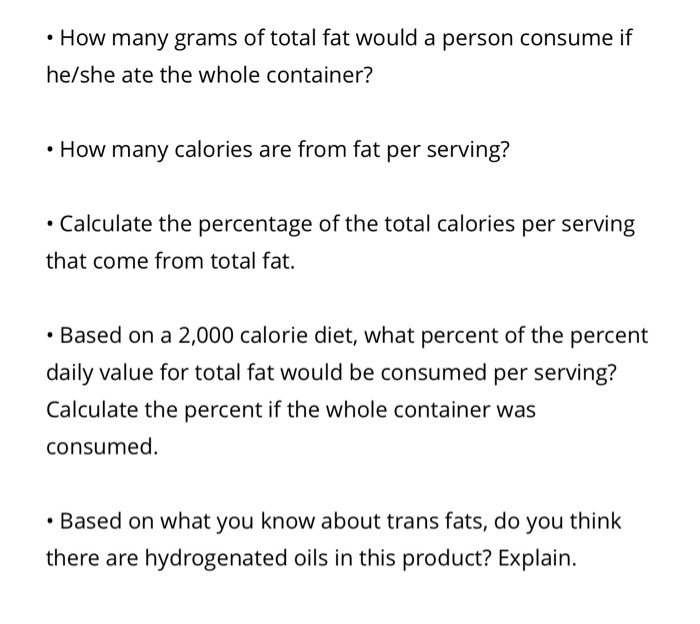
Solved: Nutrition Labels: Analyze The Nutrition Label Atta... | Chegg.com
How To Read A Food Nutrition Label | Gobble For example, the USDA recommends that most people get 1,000 mg of calcium per day. So, if a serving of food contains 100 mg of calcium, this means the serving contains 10% Daily Value of calcium. The same applies to items on the food label you may want to avoid, like fat and cholesterol. For example, 15 grams is 20% Daily Value for total fat.
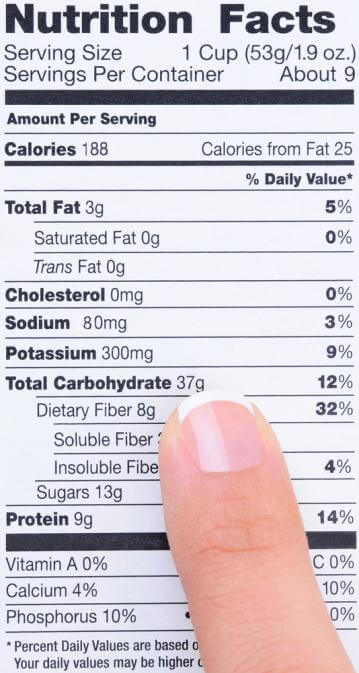
Should Fructose Content Be Listed on Food Labels?
What's New with the Nutrition Facts Label | FDA Use the label to support your personal dietary needs—choose foods that contain more of the nutrients you want to get more of and less of nutrients you may want to limit. More often, choose foods...

List of Nutrition Labels | Nutrition Claims Certification

How to Read Nutrition Labels - The Health Nerds

USDA Issues New Rules On Meat Packaging - Redorbit

GUIDE TO NUTRITION LABELING AND EDUCATION ACT (NLEA) REQUIREMENTS-ATTACHMENT 9-24

How To Read Nutrition Labels : Article - GourmetSleuth
Post a Comment for "45 total fat on nutrition labels"